Vein problems rarely start loud. A little ankle swelling after a long day, a few small spider veins around the knee, a patch of itching that comes and goes. Then one morning you notice a corded vein snaking down your calf or a heaviness in your legs that makes stairs feel steeper than they should. That’s where a phlebologist comes in. In Des Plaines and the greater Northwest suburbs, a dedicated vein specialist can separate nuisance from risk, cosmetic concerns from medical disease, and quick fixes from durable solutions.
This guide walks you through what a phlebologist does, how they evaluate venous issues, and the modern treatments available at a Des Plaines vein clinic. I’ll also cover practical details people ask about every week, including insurance, recovery time, and how to decide when to book a vein consultation in Des Plaines.
What a Phlebologist Actually Treats
Phlebology is the discipline focused on veins and venous circulation, particularly in the legs. Arteries deliver oxygenated blood from the heart. Veins carry blood back up to the heart against gravity. When the valves in leg veins weaken, blood can pool, pressure builds, and symptoms follow. A phlebologist in Des Plaines evaluates and treats this spectrum of problems:
Varicose veins are the thick, rope-like veins that bulge above the skin. They can ache, throb, itch, or feel hot. They’re a symptom of venous reflux, usually in the saphenous system.
Spider veins are the fine red, blue, or purple lines or clusters on the skin’s surface. They can be purely cosmetic, but they can also signal underlying venous insufficiency.
Chronic venous insufficiency is the underlying valve failure and reflux in deeper superficial veins, often the great or small saphenous veins, that drive symptoms like heaviness, fatigue, swelling, cramps, and restless legs.
Edema, or leg swelling, that’s worse at day’s end can stem from venous hypertension. It may improve overnight and return by afternoon. Over time, skin can become fragile and discolored.
Venous stasis dermatitis appears as itchy, eczematous patches or brownish discoloration around the ankles and shins, usually after years of untreated reflux.
Venous ulcers are non-healing wounds near the ankle, often over the medial malleolus. These require focused care to close the wound and treat the underlying reflux.
A phlebologist also evaluates leg pain, restless leg syndrome symptoms with a potential venous driver, and complications like superficial thrombophlebitis. If I had to distill it to one sentence, a vein doctor in Des Plaines treats the causes and consequences of blood pooling in the legs.
Why these problems develop
I often explain vein disease by comparing the leg veins to a set of vertical elevators with one-way doors. With time, genetics, hormones, and lifestyle, those doors wear down and don’t shut tightly. Blood slips backward with gravity, pressure rises in the veins below, and the walls stretch. Once the walls stretch, the valve flaps can’t meet, and a cycle of reflux begins.
Family history matters more than most people expect. If both parents had varicose veins, your chances can be high, even if you held a healthy weight and stayed active. Pregnancy is another common trigger because blood volume increases, hormones relax vessel walls, and the uterus adds pelvic pressure. Jobs that demand standing or sitting in place for long hours, think retail, nursing, hair styling, airport security, trucking, or desk-based roles, can accelerate symptoms. Prior leg injury, prior deep vein thrombosis, and obesity also contribute.
This is not a cosmetic-only problem. Many patients come to a Des Plaines vein health clinic for spider vein removal in Des Plaines or small bulging veins and discover reflux in a saphenous vein. Treating the root cause can relieve aching, reduce swelling, and prevent progression to skin damage or ulcers.

What to expect at a Des Plaines vein clinic
A good Des Plaines vein treatment center starts with careful listening and a focused exam. Expect questions about how your symptoms change throughout the day, what activities trigger discomfort, family history, pregnancies, prior clots or surgeries, and any attempts at compression therapy. Your vein specialist in Des Plaines will also ask about exercise patterns, footwear, and whether nighttime cramps or restless legs wake you.
The physical exam looks for bulging varicose veins, clusters of spider veins, ankle swelling, skin changes, and tenderness along vein paths. To confirm the diagnosis, most clinics perform a vein ultrasound in Des Plaines, typically a duplex ultrasound that maps the veins and measures flow direction and velocity. This test matters because it catches reflux you can’t see on the surface and identifies which veins require treatment.
Ultrasound is noninvasive and painless. A trained sonographer will scan the saphenous veins with you standing or semi-standing because gravity reveals reflux. The report tells your Des Plaines vein doctor exactly where valves fail and informs the treatment plan. In my experience, people appreciate seeing the ultrasound results directly on the screen. It explains why a few “cosmetic” veins come with heavy legs.
The modern menu of vein treatment options
Vein care has changed dramatically over the last two decades. Where vein stripping once meant operating room time and significant downtime, most venous disease treatment in Des Plaines is now minimally invasive, office based, and done with local anesthesia.
Radiofrequency ablation and endovenous laser treatment are the workhorses for saphenous reflux. Under ultrasound guidance, the vein doctor places a thin catheter into the target vein through a pinhole puncture. Tumescent anesthetic is infused around the vein to protect surrounding tissue and ease discomfort. Then heat energy, either radiofrequency or laser, closes the faulty vein from the inside. The body reroutes blood to healthy veins. Most patients walk out 30 to 45 minutes later. Soreness is usually mild and short lived. I often tell people to expect a tight or pulling sensation for a few days, which eases with walking and compression stockings.

Ultrasound guided foam sclerotherapy uses a medication that irritates the inner lining of a problem vein, causing it to collapse and seal. Foam is helpful for tortuous or residual varicose tributaries and can be used alongside thermal ablation. It’s quick, often 10 to 20 minutes, and patients drive themselves home.
Cosmetic sclerotherapy in Des Plaines is the go-to for spider veins and small reticular veins. A very fine needle delivers sclerosant to clusters, which fade over weeks. Two to four sessions are common for dense networks. Expect some temporary matting or light bruising. An experienced vein specialist near you will adjust solutions and technique to minimize side effects.
Ambulatory phlebectomy is a micro-extraction of varicose branches through 2 to 3 millimeter nicks in the skin. It sounds intense, but with local anesthetic it’s typically comfortable, and the cosmetic result is excellent for bulging surface veins. The nick sites heal with tiny marks that fade.
Non thermal non tumescent options, like medical adhesive closure systems, are available in some Des Plaines vein centers. These use a special glue to seal faulty veins without heat. They can be useful for patients who prefer to avoid tumescent anesthesia or have anatomy that suits the approach.
Compression therapy in Des Plaines supports symptom relief and healing. Graduated stockings help move blood upward and reduce swelling. They’re often worn for a week or two after procedures and longer for patients with advanced skin changes or ulcers.
Vein stripping in Des Plaines is rare now and usually reserved for specific cases, such as very large, tortuous saphenous veins that are not amenable to catheter based closure. Even then, most patients qualify for a minimally invasive plan.
Crafting a plan that fits your legs and your life
Patients often arrive with one pressing concern, like spider vein treatment in Des Plaines for summer confidence or vein pain relief in Des Plaines to get back to longer walks. The best results come from addressing both the cause and the cosmetic. If your ultrasound shows significant reflux in a saphenous vein, your vein doctor near you will likely recommend ablation first, followed by sclerotherapy or phlebectomy for remaining branches and webs.
There is a rhythm to recovery that works well. Treat the trunk vein early in the week, wear compression for a few days, and keep moving. Walk the same day. Many people return to desk work the next day. Heavy lifting can wait a week. For runners, I often suggest low impact movement for vein clinic near me 3 to 5 days, then a gentle return to mileage as soreness fades.
Patients with leg ulcers or advanced skin changes need a slightly different arc. Venous ulcer care in Des Plaines pairs compression therapy, wound care, and reflux correction. Closing the incompetent vein reduces pressure at the ankle, which allows the ulcer margin to granulate and close. It’s deeply satisfying to see a stubborn wound finally heal after months of plateau.
When a phlebologist recommends imaging or collaborative care
Not all leg swelling is venous. Cardiac, kidney, and lymphatic issues can mimic or contribute. A seasoned Des Plaines vein specialist knows when the story fits reflux and when it deserves a broader look. Bilateral, symmetric swelling that worsens rapidly may warrant cardiology input. Unilateral swelling with calf tenderness after a long flight needs an urgent DVT rule out.
Sometimes we involve a vascular clinic in Des Plaines if arterial circulation is questioned, especially in older patients with risk factors like smoking or diabetes. You need adequate arterial inflow to tolerate compression. Collaboration keeps care safe and comprehensive.
The insurance question: medical vs cosmetic
Most people are surprised that insurance often covers medical vein treatment in Des Plaines when specific criteria are met. Policies vary, but common requirements include documented symptoms such as ache, heaviness, swelling, cramping, or skin changes, an ultrasound demonstrating reflux beyond a threshold, and a period of conservative therapy, usually 6 to 12 weeks of compression and activity modification. Your Des Plaines vein clinic will explain your specific plan’s rules.
Cosmetic spider vein removal in Des Plaines is typically out of pocket. Prices vary by session and area treated. It helps to ask for a range up front and whether packages reduce per session costs. Some practices offer vein treatment financing in Des Plaines for larger plans, especially if multiple procedures are staged. Medicare may cover medically necessary components like ablation or phlebectomy in patients who meet criteria. Dedicated staff at an insurance accepted vein clinic in Des Plaines can save you time here.
Results: what’s realistic
Two things matter: symptom relief and appearance. For symptomatic reflux, the majority of patients notice lighter legs within a week of ablation. Night cramps and restlessness improve as venous pressure falls. Standing at work becomes more tolerable. Varicose bulges either shrink after ablation or are removed with phlebectomy in the same session or a follow up.
Spider vein treatment demands patience. Even with expert sclerotherapy in Des Plaines, fading follows a timeline. Expect 3 to 6 weeks for most clusters to lighten and 8 to 12 weeks for stubborn areas, sometimes with a touch up session. Sun protection protects your investment, and compression stockings for a few days post session curb matting and bruising.
Recurrence is the honest part of this discussion. Vein disease is chronic, and while we can close bad veins effectively, new weak links can develop over years, especially in genetically prone patients or those with ongoing risk factors. A quick yearly vein screening in Des Plaines with ultrasound when needed can catch new trouble early. Maintenance sclerotherapy for new spider clusters every year or two is typical for some patients. The tradeoff is clear: a manageable maintenance plan beats ignoring reflux until it becomes a leg ulcer.
A day at a Des Plaines vein center
Here’s what an average visit looks like for a new patient at a Des Plaines IL vein clinic. You check in, complete a symptom questionnaire that quantifies heaviness, aching, swelling, and activity impact. A vein specialist in Des Plaines reviews your history and examines your legs while you’re standing. If the exam suggests deeper reflux, you move to the ultrasound suite, where a registered sonographer maps your saphenous system. The doctor reviews the images with you, outlines options, and discusses medical versus cosmetic goals.
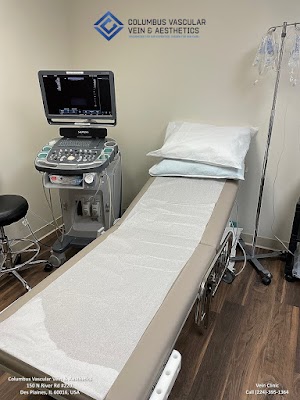
If you’re a candidate for endovenous ablation in Des Plaines, staff handle insurance pre authorization. If you’re seeking cosmetic vein removal in Des Plaines, they review pricing, session expectations, and scheduling. Same day vein consultation in Des Plaines is common, and some clinics can offer same week procedures.
Procedure day is straightforward. You wear loose pants. The team marks veins with a skin pen. Local anesthetic handles any discomfort. Catheter based procedures take around 30 minutes. You walk immediately afterward. Most clinics ask you to wear thigh or knee high compression stockings for a few days. You can shower the next day. A brief follow up ultrasound ensures the treated vein is closed and checks for rare complications.
Safety, side effects, and realistic risks
Minimally invasive vein procedures carry a favorable safety profile, especially in experienced hands. The most common side effects are tenderness, bruising along the treated vein, a pulling sensation near the inner thigh, and temporary lumpiness along phlebectomy tracts. These fade over 1 to 3 weeks.
Less common but important risks include superficial phlebitis, pigmentation over sclerotherapy sites, and nerve irritation, particularly near the ankle where sensory nerves run close to small veins. Deep vein thrombosis is rare after outpatient vein procedures, with rates typically under 1 percent, and clinics use preventive protocols like early walking and, when appropriate, short courses of anticoagulants in high risk patients.
Pick a board certified vein doctor in Des Plaines who performs these treatments regularly. Volume brings nuance. The difference between an okay result and an elegant one often comes down to mapping, catheter positioning, and how precisely a specialist sequences ablation, phlebectomy, and sclerotherapy.
Choosing the right Des Plaines vein clinic
Not all clinics operate the same way. Some are full service vein centers that handle medical vein disease, cosmetic care, and ulcer management. Others focus on cosmetic spider veins. If your legs feel heavy, if your ankles swell, or if night cramps keep you up, look for a Des Plaines vein clinic that offers duplex ultrasound, endovenous ablation, ambulatory phlebectomy, and sclerotherapy, with a track record for venous insufficiency treatment in Des Plaines.
Reviews can be helpful, but read them with a clinician’s eye. Look for mentions of clear explanations, thorough ultrasounds, and good follow up. A top vein clinic in Des Plaines will talk openly about expectations, possible touch ups, and how they handle complications. If you’re comparing the best vein clinic in Des Plaines claims, ask how many ablations they perform monthly, who reads the ultrasound, and whether a board certified vein specialist in Des Plaines performs the procedures.
If affordability matters, ask about vein treatment cost in Des Plaines for cosmetic sessions, whether the practice offers affordable vein treatment plans or financing, and what your insurance requires for medical coverage. A transparent clinic will lay out options and timelines without pressure.
Everyday habits that help your veins
Treatment works best when daily habits support circulation. Two changes matter more than most. First, movement. Calf muscles are the body’s venous pump. Mix in short walks during long desk sessions. If your shift keeps you standing, change position every 20 minutes and flex your ankles regularly. Second, compression. Graduated stockings are not glamorous, but the right pair makes a difference. Try knee high 15 to 20 mmHg for early symptoms, and step up to 20 to 30 mmHg for more advanced swelling, if your clinician agrees.
Weight management, a plant forward diet, and limiting prolonged heat exposure to legs can ease symptoms. High heels keep calves shortened and reduce venous pumping, so keep them for short stints. For those with restless leg syndrome symptoms connected to venous reflux, treating the reflux often reduces nighttime agitation. It’s not a cure-all for all RLS, but it’s a lever you can pull.
If you have a strong family history, consider preventive strategies even before symptoms escalate. Regular walking, cycling, or swimming keeps the calf pump engaged. Elevate your legs for a few minutes after work. If pregnancy is in your plan, talk to a vein specialist near you about supportive stockings and reasonable expectations, because pregnancies commonly unmask reflux.
When to schedule an appointment
People often wait too long because they assume leg swelling or varicose veins are a cosmetic nuisance to live with. Here are five simple cues that it’s time to book a vein evaluation in Des Plaines:
- Your legs feel heavy, achy, or tight by afternoon, and relief comes when you elevate them. Ankle swelling leaves sock marks most days. Night cramps, throbbing, or restless legs wake you regularly. Skin around the ankles looks brownish, itchy, or fragile, or a wound won’t heal. Varicose veins are growing or tender, or spider veins keep multiplying despite good habits.
A quick, insurance accepted vein clinic in Des Plaines can separate minor cosmetic issues from medical venous insufficiency. If you’re searching “vein clinic near me” or “vein doctor near me” around the Chicago area, a Des Plaines vascular clinic offers convenient access for the Northwest suburbs and Cook County.
A brief case vignette
A 49 year old teacher from the Des Plaines area came in for what she called “ugly veins” before summer. She had clusters around her ankles and a few bulging branches along the inner calf. She also mentioned needing to sit after second period because her legs felt tight by noon. Ultrasound showed reflux in the great saphenous vein from mid thigh to knee. We performed radiofrequency ablation in the office, followed by ambulatory phlebectomy for two surface branches, and two sessions of sclerotherapy for ankle webs.
She wore compression for a week, walked the same day, and returned to class the next morning. Heaviness improved within days, and the surface clusters faded over six weeks. The cosmetic change mattered to her, but the relief she mentioned first at follow up was that she no longer looked for a chair at lunch. That’s the difference between treating the symptom and treating the source.
Putting it all together
A phlebologist in Des Plaines brings a focused toolkit and the judgment that comes from seeing hundreds of legs and stories each year. If your search history includes “vein treatment near me,” “varicose vein clinic near me,” or “spider vein clinic near me,” you have options that don’t require hospital stays or long recovery. Endovenous ablation in Des Plaines, ultrasound guided foam, ambulatory phlebectomy, and sclerotherapy in Des Plaines form a proven set of outpatient vein procedures. The right sequence depends on your anatomy, ultrasound findings, and goals.
If you prefer a medically oriented path, look for a Des Plaines phlebology clinic that handles venous disease treatment in Des Plaines, from ultrasound to final follow up. If your goals are primarily cosmetic, a vein health clinic in Des Plaines that emphasizes sclerotherapy with careful mapping will serve you well. In either case, expect a conversation about compression, activity, and maintenance to keep results strong.
One final practical tip. Bring shorts to your appointment, or wear loose pants that roll up to mid thigh. It sounds small, but it makes the vein evaluation smoother and faster. And if you have prior studies or photos from months past, bring them too. Veins tell a clearer story when we can compare then and now.
Whether you want spider vein removal in Des Plaines for cleaner lines at the gym, need varicose vein removal in Des Plaines to ease daily pain, or require venous ulcer care in Des Plaines to finally heal a stubborn wound, a board certified, experienced vein specialist in Des Plaines can design a plan that fits your legs and your life. The path forward is often simpler than people fear, and the payoff, walking lighter by late afternoon, is hard to overstate.